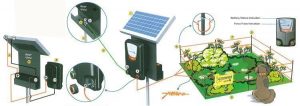
When an electric fence stops working, it’s almost always due to a few common issues. Understanding these electric fence problems will help you restore voltage fast and keep animals safely contained. Here are the top 10 causes of electric fence failure and how they affect electric fence performance.
1. Poor or Insufficient Electric Fence Grounding
Grounding issues are the #1 reason electric fences stop working.
If the electric fence ground system isn’t installed correctly, the energizer cannot return power through the soil, resulting in weak or inconsistent shocks.
Common causes
- Not enough earth rods
- Earth stakes too short
- Dry or sandy soil
- Loose ground connections
Fix
Add more ground rods, drive them deeper, and ensure they are spaced 3–6 metres apart.
2. Vegetation Touching the Fence Wire
Grass, weeds, and branches touching the live fence wire drain energy from the system. This creates constant power leakage.
Fix
Regularly trim vegetation or use a higher-joule energizer if clearing is not practical.
3. Fence Wire Touching Metal (Shorts)
Any accidental contact with metal — including steel posts, gates, or tie wires — causes a direct short.
Fix
Check all corners, gateways, and strainers to ensure wires are properly insulated.
4. Damaged or Worn Electric Fence Insulators
Insulators prevent electricity from escaping into fence posts. Cracked, broken, weathered, or low-quality insulators leak voltage into the ground.
Fix
Replace damaged insulators and choose UV-resistant, high-quality fencing components.
5. Corroded Connections and Poor Wire Joins
Corrosion increases resistance and reduces voltage. This is especially common in older fences or coastal areas.
Fix
Replace rusty connections, upgrade joiners, and use stainless or galvanized hardware.
6. Incorrect or Undersized Electric Fence Energizer
If your electric fence energizer doesn’t have enough joules to power your fence length, vegetation load, or animal size, voltage will drop dramatically.
Fix
Choose an energizer with a joule rating matched to:
- Fence length
- Animal type
- Vegetation load
- Number of fence lines
7. Broken, Loose, or Poorly Strained Wires
A broken or loosely connected electric fence wire interrupts the flow of current, creating dead zones.
Fix
Walk the fence and inspect for breaks, loose wire tension, or open circuits.
8. Faulty or Poorly Installed Earth Rods
Even with enough rods, poor placement or loose connections reduce shock performance.
Fix
Install rods in consistently moist soil and check that clamps are tight and corrosion-free.
9. Lightning Damage to Electric Fence Components
Lightning can damage:
- Electric fence energizers
- Cut-out switches
- Solar panels
- Underground cables
Fix
Install lightning diverters and surge protection on all major fence lines.
10. Faulty Underground or Insulated Cable
Cracked, chewed, or moisture-damaged underground cable causes hidden shorts — especially under gateways.
Fix
Test the cable with an electric fence volt meter or fault finder and replace any damaged sections.
Bonus: Animals Testing a Weak Electric Fence
When the electric fence voltage is low, animals quickly learn they can push through it. This often reveals hidden faults in the fence line.
More FAQ for Electric Fences
Why is my electric fence not shocking?
The most common reasons an electric fence isn’t shocking are poor grounding, vegetation touching the wire, shorts caused by metal contact, a weak energizer, or broken fence wires.
How do I find a short in an electric fence?
Use an electric fence fault finder and follow the strongest reading until it points to the section leaking power. Common short locations include gateways, corners, broken insulators, and underground cable.
How many volts should a working electric fence have?
A good, properly working electric fence should deliver 5,000–8,000 volts depending on the animals you’re containing or excluding.
What reduces electric fence voltage?
Vegetation, poor grounding, loose connections, broken wires, and insufficient joules from the energizer are the main causes of voltage loss.
How do I test my electric fence?
Use a digital fence tester or voltmeter to check output at the energizer, then walk the fence to locate drops in voltage.