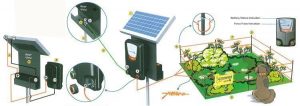
Is your electric fence not working? Use this quick checklist to diagnose and fix common problems fast!
1️⃣ Check Grounding
Are all ground rods installed correctly and connections tight?
Tip: A weak ground = weak shocks.
2️⃣ Clear Vegetation
Is there no grass, weeds, or branches touching live wires?
Tip: Even small contact can drain volts.
3️⃣ Inspect for Metal Contact
Are fence wires clear of metal posts, gates, or other conductive objects?
Tip: Shorts can instantly drop voltage.
4️⃣ Examine Insulators
Are all insulators undamaged and UV-resistant?
Tip: Cracked or broken insulators leak power.
5️⃣ Check Wire Connections
Are all wire joins clean, corrosion-free, and tight?
Tip: Rusty or loose joins reduce voltage along the fence line.
6️⃣ Verify Energizer Capacity
Does the energizer have an adequate joule rating for your fence length, vegetation, and animal type?
Tip: Undersized energizers can’t power long or heavily loaded fences.
7️⃣ Inspect Fence Wires
Are all wires unbroken and properly strained?
Tip: Loose or broken wires create dead zones.
8️⃣ Ensure Earth Rod Placement
Are earth rods in moist soil for maximum conductivity?
Tip: Dry soil can drastically reduce shock strength.
9️⃣ Check for Lightning Damage
Has your energizer or fence components been checked for lightning strikes?
Tip: Lightning can fry energizers or damage wiring.
🔟 Inspect Underground Cable
Is underground or insulated cable free from cracks, moisture, or damage?
Tip: Hidden faults often occur under gates or conduits.
✅ Pro Tip: Walk the full fence line while testing with a fence tester to catch hidden faults early. Regular checks prevent voltage loss and keep your livestock safe!