


Quickly Check If Your Electric Fence Is Working
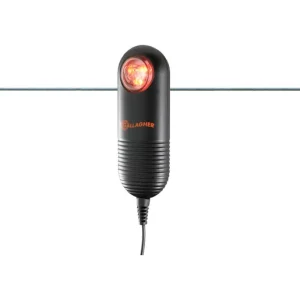
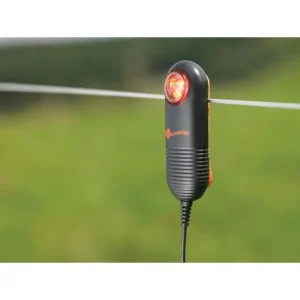
The Gallagher Fence Voltage Indicator (G50101) provides a fast and simple way to check whether your electric fence is operating correctly. Simply place the tester onto the fence line to display the voltage level and identify whether adequate power is reaching the fence.
Regular voltage testing helps identify fence faults, poor earthing, vegetation shorting, broken connections and energiser performance issues before they become larger problems.
Compact, portable and easy to use, this voltage indicator is an essential tool for horse owners, livestock producers and anyone maintaining an electric fencing system.
Key Features
- Quickly checks electric fence voltage levels
- Simple visual indicator with no batteries required
- Helps identify fence faults and power loss
- Suitable for permanent and portable electric fencing
- Compact and easy to carry
- Ideal for routine fence maintenance
- Suitable for horse, cattle, sheep and livestock fencing
Ideal For
- Checking electric fence performance
- Locating voltage loss problems
- Routine fence inspections
- Horse and livestock fencing systems
- Solar and mains-powered electric fences
Why Test Fence Voltage?
Even when an energiser is operating, damaged wire, poor joins, inadequate earthing and vegetation touching the fence can significantly reduce fence voltage. Regular testing helps ensure your animals continue receiving an effective electric fence shock and allows faults to be identified quickly.
Frequently Asked Questions
What does a fence voltage indicator do?
A fence voltage indicator measures the voltage present on an electric fence line and confirms whether the fence is operating correctly.
Do I need batteries to use this tester?
No. The Gallagher Fence Voltage Indicator operates without batteries, making it a simple and reliable tool for routine fence testing.
Can I use this on solar electric fences?
Yes. It can be used on both solar-powered and mains-powered electric fencing systems.
What voltage should my electric fence be running at?
The ideal voltage depends on the animal being controlled, but many electric fence systems perform best when maintaining at least 3,000 to 5,000 volts on the fence line.
Can this help locate fence faults?
Yes. Regular voltage testing can help identify areas where power is being lost due to poor joins, broken wires, inadequate earthing or vegetation touching the fence.
Is this suitable for horse fencing?
Yes. It is suitable for horse, cattle, sheep, goat, pig and general livestock electric fencing systems.
How often should I test my electric fence?
It is good practice to check fence voltage regularly, particularly after storms, vegetation growth, repairs or changes to the fence layout.
Compare Gallagher Electric Fence Testers Video


Reviews
There are no reviews yet.